
Stroke frequency
Stroke frequency, usually called stroke rate, is the number of complete rowing strokes you take per minute. It is often shown as SPM, short for strokes per minute. Each stroke includes the drive and the recovery back to the catch. Stroke rate describes your movement cadence; it does not tell you how hard you are working on its own.
Alongside stroke rate, pay attention to power in watts and how the session feels. A few powerful strokes can produce more power than many light ones. Avoid raising your rate simply by rushing the slide forwards. Choose a cadence that lets you keep the stroke sequence smooth, and adjust it to the workout you have planned.
Video explanation
The video shows how a controlled stroke sequence helps you keep a steady rate.
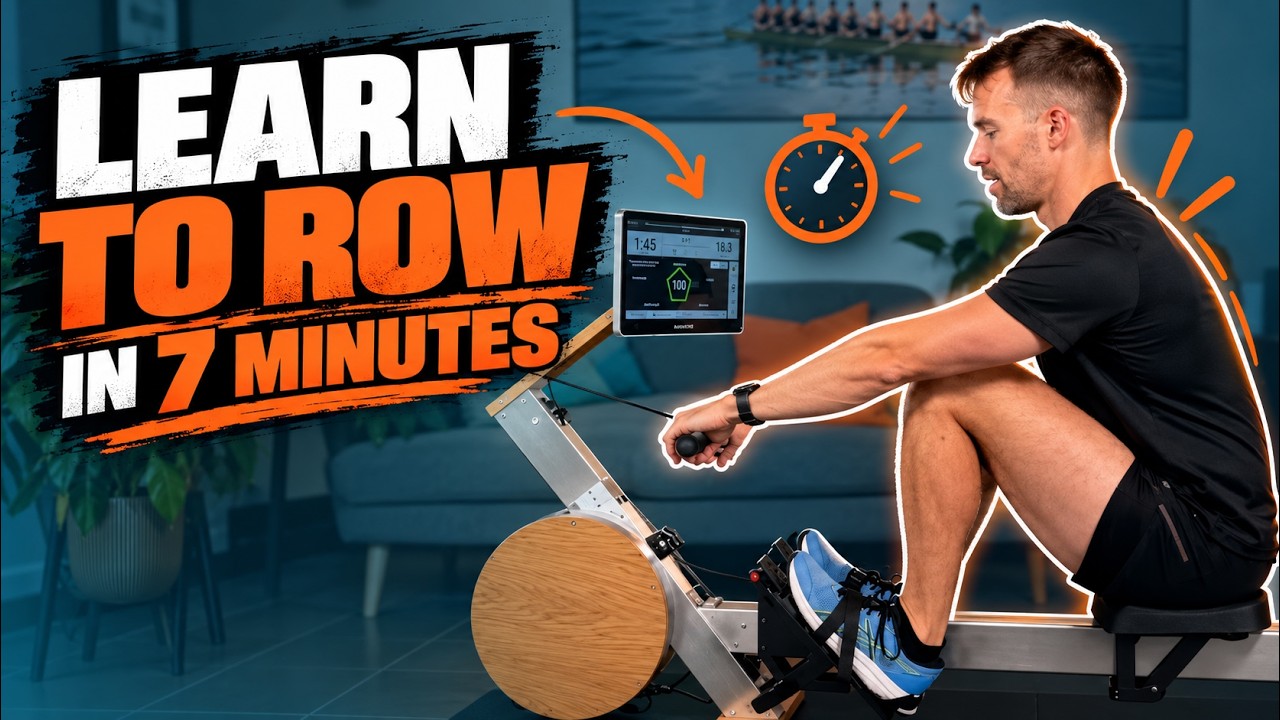

From 5:15, rowing coach and former GB rower Francis Highton demonstrates a steady rhythm at 18 strokes per minute.
Related terms
Frequently asked questions
No. Effort also depends on how much energy you put into each stroke. A higher rate can come with less work per stroke. Use power in watts, perceived effort and, where appropriate, heart rate to assess the session as well.
SPM stands for strokes per minute. It measures the rate of your complete rowing strokes, rather than the speed of the seat or your heart rate.
Start with a steady cadence that allows you to coordinate the leg drive, body movement, arm pull and recovery. Once the movement feels more secure, practise other rates. No single number suits every rower, drill or training goal.
The AUGLETICS display lets you follow your stroke rate and power as you row.
Further reading

A clear guide to the stroke sequence, posture and common technique mistakes.

How to choose a stroke rate and rhythm for your training goal.